
SCADA vs Traditional Industrial Monitoring
A practical technical comparison between centralized supervisory intelligence and isolated machine-level operator screens.
Youssef Mansour
Platform Architect
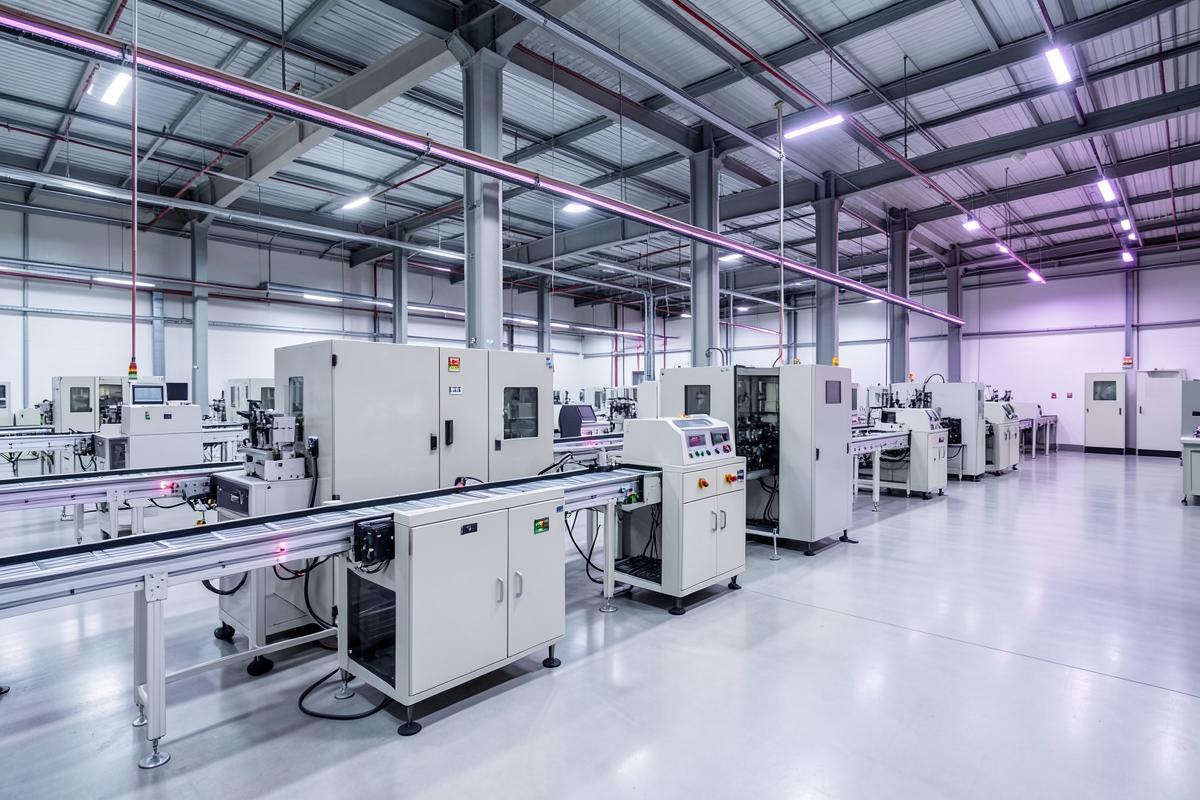
Key Operational Telemetry & Impact
1 Unified View
Screen Consolidation
Consolidation of dozens of isolated OEM operator panels
10x Faster
Diagnostic Speed
Cross-station root cause analysis across complex assembly lines
100ms
Data Granularity
Synchronized historical trending across the entire facility
-85%
Alarm Flooding
Suppression of redundant downstream nuisance alarms
1. The Dilemma of HMI Islands
Walk into any factory floor built over the past thirty years, and you will see a familiar sight: dozens of individual machine panels, each with its own Human-Machine Interface (HMI) screen. One station features an Allen-Bradley PanelView, the next a Siemens Comfort Panel, and another a proprietary touchscreen from an Italian machine builder.
These isolated HMI islands present severe operational bottlenecks. Operators and maintenance personnel must physically walk from station to station to check status, adjust setpoints, or transcribe error codes. When an upstream machine jams and starves five downstream stations, all five stations trigger alarms simultaneously, making it nearly impossible to determine which machine caused the stoppage.
Managing fragmented machine HMIs leads to an average of 45 minutes of wasted diagnostic time per major breakdown, as technicians manually cross-reference disconnected error logs.
2. The True Definition of SCADA
Supervisory Control and Data Acquisition (SCADA) is not simply a bigger HMI screen. While an HMI serves an operator standing in front of a specific machine, a SCADA system provides unified supervisory context across the entire plant.
A modern SCADA platform decouples data acquisition from data presentation. It ingests telemetry from diverse PLCs, drives, sensors, and meters into a synchronized database, enabling plant-wide process synoptics, automated correlation, long-term historian storage, and centralized alarm routing.
3. Architectural & Protocol Comparisons
The fundamental differences between traditional machine HMIs and modern SCADA platforms lie in connectivity, storage capacity, and multi-user access:
- Data Storage: HMIs typically hold only a few days of alarm history on local SD cards; SCADA stores years of high-resolution operational telemetry in industrial time-series historians.
- Concurrency: HMIs allow one person to view one physical screen; SCADA enables dozens of operators, engineers, and executives to view customized synoptics simultaneously on desktops, control rooms, or mobile tablets.
- Integration: HMIs communicate exclusively with their dedicated PLC; SCADA connects across multi-vendor networks (Siemens, Schneider, Rockwell, Omron, Beckhoff) using standardized protocols.
4. Unified Alarm Management vs Beeping Panels
In traditional setups, each machine panel sounds its own buzzer and flashes its own local banner. Operators develop cognitive overload, often hitting 'Mute' or 'Acknowledge' without reading the message.
SCADA implements intelligent alarm correlation: when the main packaging sealer trips on low hydraulic pressure, the SCADA system suppresses the subsequent 'Product Not Received' alarms from downstream conveyors, immediately pinpointing the root cause to the hydraulic pump relief valve.
Correlating multi-machine events cut Mean Time to Identification (MTTI) from 35 minutes down to less than 90 seconds in automated production environments.
5. Transitioning from Isolated Screens to Unified Vision
Upgrading to modern SCADA does not mean discarding existing HMIs. The existing machine touchscreens remain at the machine for local manual jog controls, while an on-premise SCADA platform like RockLyzor connects to PLC Ethernet ports in read-only or supervisory mode.
This hybrid approach delivers immediate plant-wide visibility without halting ongoing factory production or rewriting machine control safety code.
ENGINEERING FAQ
Frequently Asked Engineering Questions
Does installing SCADA require rewriting PLC logic?
No. RockLyzor connects via non-intrusive industrial drivers (Modbus, S7, OPC-UA) that read data from existing PLC memory DBs and registers without modifying the underlying PLC program.
Can SCADA run simultaneously with local HMIs?
Yes. Industrial PLCs support multiple concurrent communication sockets, allowing local machine HMIs and centralized SCADA to operate in parallel.
What is the primary operational difference?
HMIs are local and isolated; SCADA is centralized, historical, cross-correlating, and accessible plant-wide.
CONTINUE EXPLORING
Related Industrial Insights
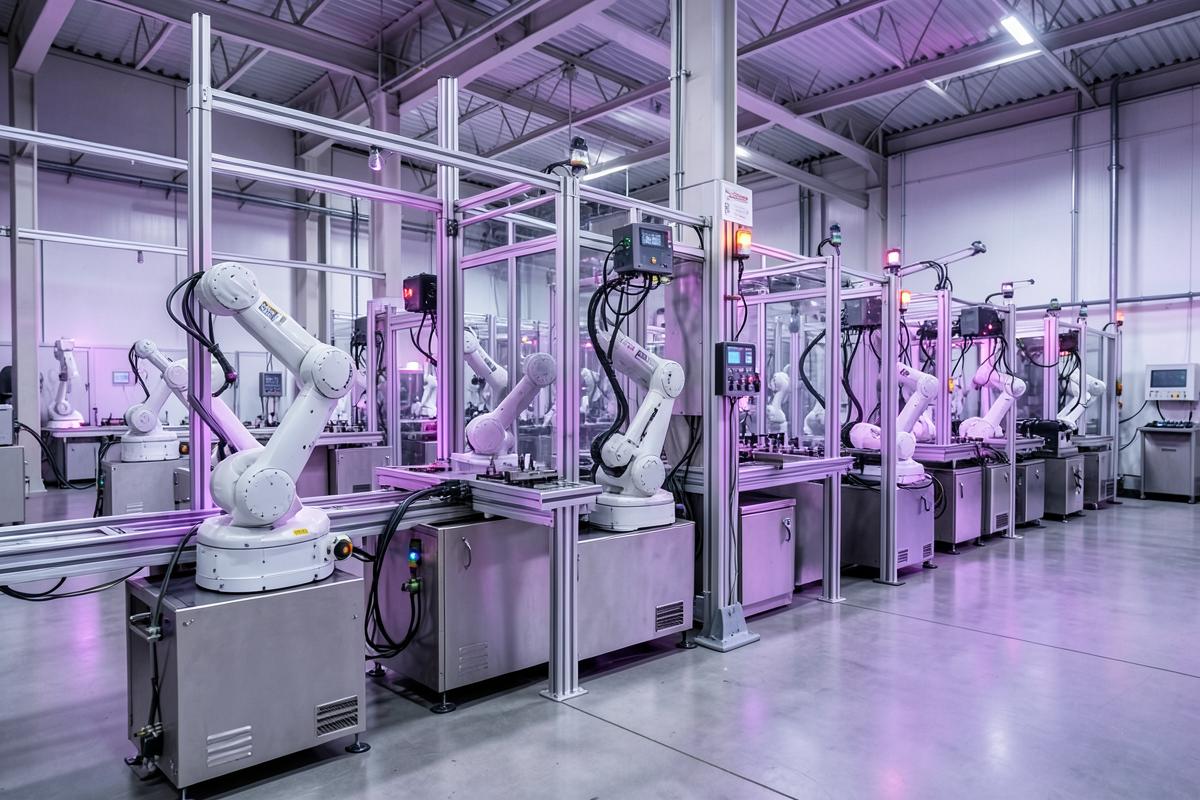
Why Real-Time Industrial Monitoring Matters
How immediate visibility helps teams reduce response time, eliminate unrecorded micro-stoppages, and keep modern factory lines moving.
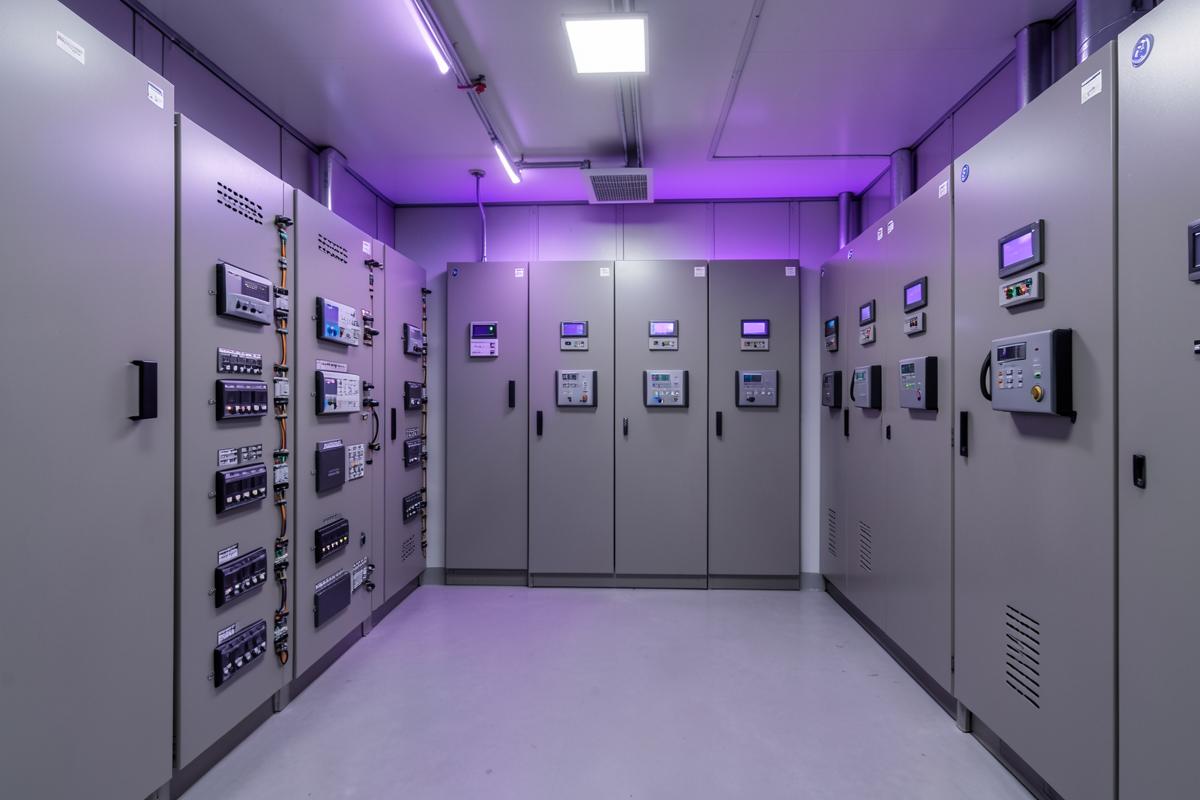
How Industrial Energy Monitoring Reduces Hidden Losses
Find consumption patterns, demand peaks, and utility penalties that traditional monthly utility invoices never reveal.
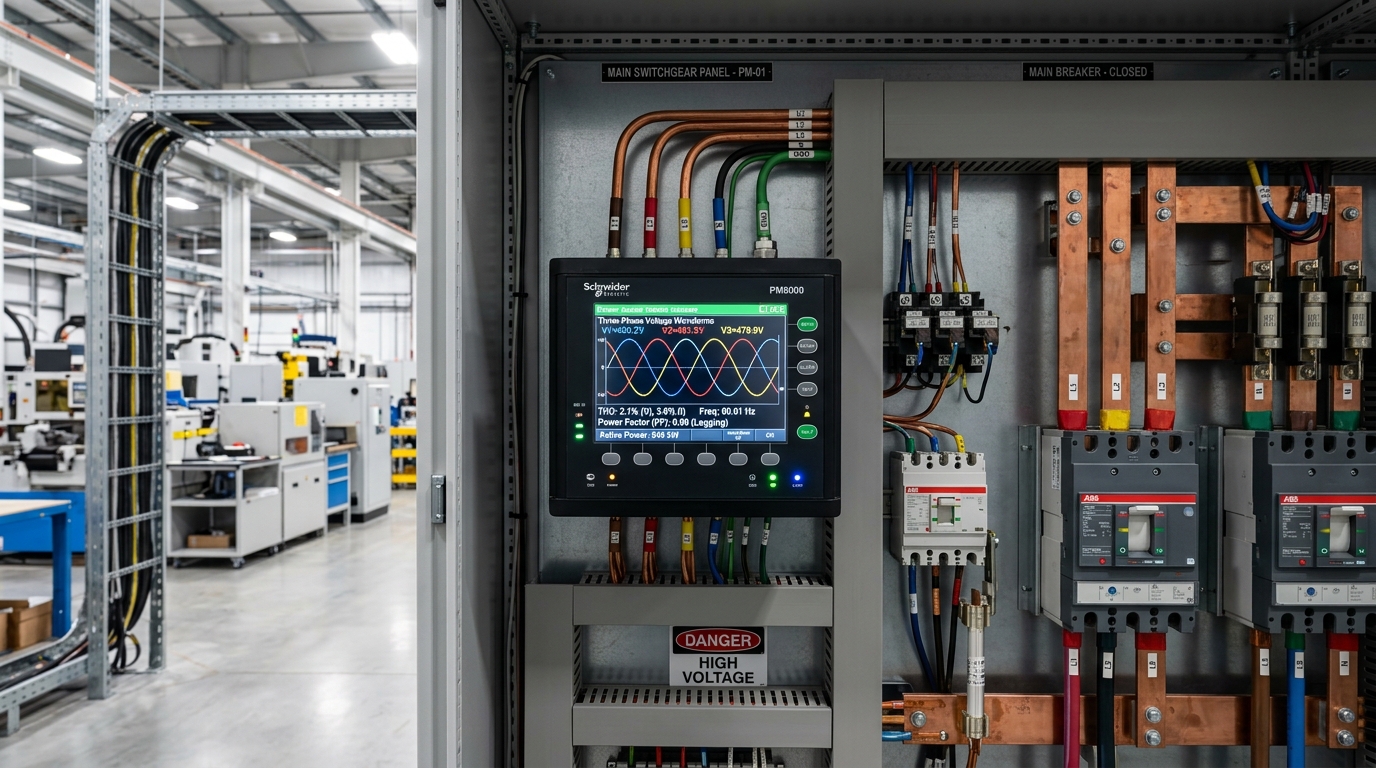
Understanding Power Quality in Industrial Facilities
The essential electrical indicators behind reliable equipment health, harmonic mitigation, and electrical switchgear resilience.
Start with your operation
Ready to See Your Factory Differently?
Discover how RockLyzor can centralize your industrial data and give your team real-time operational visibility.